this is a tale of the mortar and pestle, of the bygone hands that wielded them. it is a tale of withering herbs — of musky motherwort, of bitter skullcap, of tangy calendula. it is a tale of the brewing of spiced teas, of the concocting of balming salves. a tale of catching souls earthside, and in turn, guiding them beyond the veil. it is one of healing, one of nourishing. one of empirical tradition. it is a tale of knowing: knowing one’s body, knowing the power that resides within.
it is a tale of healers. of women. this, is a tale, of witches.
but this story is no mere romantically spun myth of beguiling sirens; blood drumming, fingers entwining, bare limbs raveningly dancing to the melody of ungodly invocations. nor is it, might i add, a tale of cackling crones, warts and all, straddling tired old kitchen brooms into the dead of night. while these tales are bewitching in their own right, i wish to recount something else entirely. something more grounded, something rooted in our bodies. what i wish to recount, dear reader, is the story of our history, one that echoes with the aches, the sorrows, the sheer might of our ancestors. these echoes, these whisperings, weave the truths of female power that we carry in our bones, endlessly. the truths are these. women have always produced ways of knowing, ways of empowering. women have always been agents of medicine, agents of the healing which sprouts from within us, rooted in the rich, inky soil that cradles us.
this is the story that has sparked within me, clues of which have made up the patchwork of my own journey toward embodied healing. i was once the little girl who, time and time again, set up shop in the dim basement of her home, skimming dusty encyclopedias and touting her own curious herbal wares to dreamt up patrons. while my delusional passion for mixing my mother’s various body lotions and baby powders did indeed add a little spice to the humdrum of suburban life, my stint as a pseudo-apothecary stemmed from a need within me to understand the body. it scratched an itch for knowledge, for empowering others in their bodies, that i wasn’t yet capable of understanding in its entirety. perhaps, for the first time, i caught a glimpse of a world in which I could know what it felt like to understand my body, but most importantly, to feel good in my body. perhaps, for the first time, but not the last, i caught a glimpse of a window into the past, one that simultaneously held inklings of an emboldening tomorrow.
what does it mean to know your body, to know your self? we don’t talk about this enough. for me, it means to live with my body. to feel connected with my body. to know its needs, but also its wants. to listen to my body. to feel empowered in it, and to feel at home in it. and frustratingly, at times, it means to accommodate it. to acknowledge how deeply terrifying it is to no longer recognize it. to not know its needs, its wants. to no longer see the path ahead, or even see the path tread. these are realities that, as women, we are particularly familiar with. it is a privilege to understand ourselves in this intimate way, to be able to decide what it is that we need to heal, and to thrive. it is a privilege to direct one’s own path.
and so, dear reader, i direct you back to our tale of witchery, for the witch direct’s her own path, unapologetically. she is connected with her body, and she guides others to be as well. at her core, she is bodily autonomy, she is female knowledge, she is power. she is resistance. she is subversiveness. she is unwanted and she is feared, just as our foremother’s ways of knowing, and of being, were unwanted and feared by the oppressive structures that are still withstanding the test of time. the witch holds sacred those embodied practices of healing, the same embodied practices of our foremothers. together, they make up a powerfully woven mastery, gnarled, ancient roots of which possess the power to dismantle the violent systems of oppression that diminish us. unceasingly challenging who has ownership of knowledge creation in a world where the female body is all too pathologized, too subdued, too objectified. modern history of medicine is a patriarchal history, one that has robbed non-male bodies of agency. one that has inflicted violence and shame unto non-male bodies. one that does not exist at a set point in our past, at a time and a place far far away, but rather one that continues to thrive, snaking its way into our lives, whispering false truths about our bodies, and our selves, into our very ears. like most stories, there is a moral to this one here, and it is this: we must remain critical of the roots of medicine, its practices, the authority it wields. we must ask ourselves who are its gatekeepers, and who continues to be silenced in its wake.
the witch may have been born out of idealized traditions, now resurrected as a feminist figure, but she lives on as an echo of our history. of our truth. she holds the power to re-center female bodies, and female voices, within the medical narrative. within each and every one of our narratives. she doesn’t only shape our understanding of female empowerment — she paves a path for who can, and who should, be knowledge producers over their own bodies. women healers, practitioners of empirical, natural medicine throughout the centuries, would pass on their traditions orally to their daughters, to their granddaughters, to their nieces. through their knowledge sharing, these wise women connected generations of women, relating experiences as well as transformative power. it is a form of storytelling that calls for togetherness, and in its own right, paves a path to empowerment.
the act of storytelling, of relating experiences, is a tool of political dissidence. in its embodiment of resistance, it challenges who has ownership of knowledge creation in a realm in which women’s voices have been essentially invisibilized for centuries. with their words, women have the ability to reclaim their bodies for themselves in a world in which the default model of humanity has been centered around the patriarchy. the words of women, whichever shape they may take, can transform and build futurities in which our stories, and the act of sharing them, have the power to rewrite our bodies for our selves. this is why i write. i write in the hopes that my words may inspire togetherness. these are my stories; the stories of grandmothers, and of sisters. i write about witches, i write about goddesses. and i write about ancestors. these are my figures of female sovereignty, the guardians of my experiences.
it is our right to know our bodies, it is our right to flourish in them. this knowledge, this power, is our ancestry, and it is snaking through our bodies, pulsing to the rhythmic calling of mothers past. in the words of barbara ehrenreich & deirdre english, “medicine is part of our heritage as women, our history, our birthright.”
this is my tale, the tale of many.
so tell me. what is yours?
** this post was inspired by the many inspiring professors, peers, and texts I had the privilege of encountering throughout my undergraduate degree in gender, sexuality, and feminist studies. honourable mentions go to the following…
our bodies, ourselves: a book by and for women by boston women’s health book collective
witches, midwives, and nurses by barbara ehrenreich & deirdre english
“a cyborg is a witch is a cyborg is a witch. . .” by nazila kivi
the tyrannical womb and the disappearing mother: the maternal body in medical literature by nora doyle
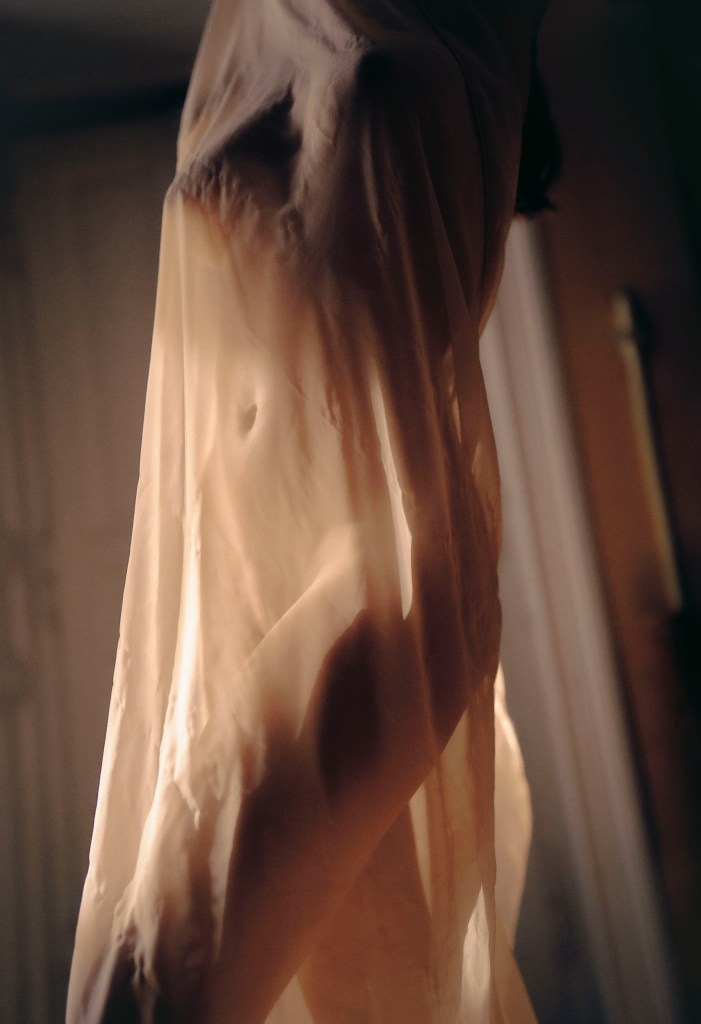
** photo credit: masha raymers photography, free stock photo from pexels.com
 bitchesbewitchin'